
Knee pain following a knee replacement surgery is a common concern that can disrupt daily activities. If accompanied by swelling, tenderness, or inflammation, it’s essential to seek medical advice to address any underlying issues. At Complete Orthopedics, our specialists are skilled in diagnosing and managing post-surgery knee pain through customized treatment plans, including surgical solutions if necessary.
How Common It Is and Who Gets It? (Epidemiology)
Knee replacement surgery is one of the most successful procedures in orthopedic medicine, benefiting millions worldwide. However, persistent knee pain after surgery, though uncommon, is a source of patient dissatisfaction. This pain can affect people of all ages who undergo knee replacement surgery, particularly those with complications or slower recovery.
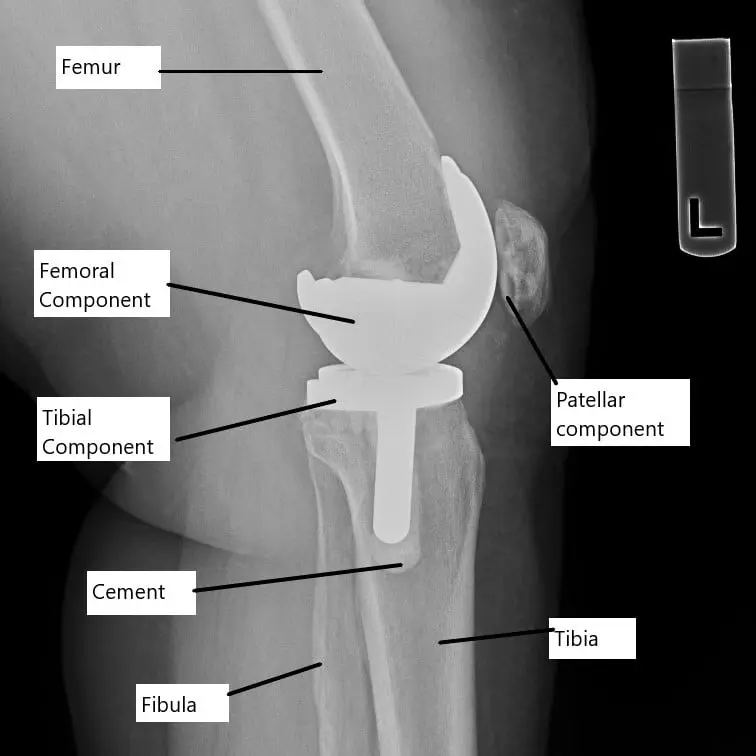
X-ray showing a total knee replacement.
Why It Happens – Causes (Etiology and Pathophysiology)
There are several potential causes of knee pain after replacement surgery. These include factors like inflammation, nerve damage, or improper alignment of the prosthetic joint. Some patients may also experience pain due to psychological factors such as anxiety and depression. Additionally, complications like fractures, infections, or loosening of the implant can cause ongoing pain.
How the Body Part Normally Works? (Relevant Anatomy)
In knee replacement surgery, the damaged ends of the femur (thigh bone) and tibia (shinbone) are removed and replaced with prosthetic components. A plastic insert is placed between the metal parts to reduce friction. This artificial joint is designed to mimic the natural function of the knee, allowing for smooth movement and weight-bearing. When pain persists, it may be due to issues with the implant or surrounding structures.
What You Might Feel – Symptoms (Clinical Presentation)
Symptoms of pain after knee replacement can vary. It may include general knee pain, sharp pain, a sensation of instability, or discomfort that worsens with weight-bearing. In some cases, patients may feel the knee “giving way” or may experience a sensation of the kneecap moving out of place. Pain can also be associated with swelling, redness, and fever, which may indicate infection.
How Doctors Find the Problem? (Diagnosis and Imaging)
To diagnose the cause of persistent pain, the physician will conduct a thorough physical examination and take a detailed history of the patient’s symptoms. Imaging studies such as X-rays, CT scans, or MRIs may be used to evaluate the position of the prosthetic components and identify any fractures, loosening, or alignment issues. Blood tests may also be ordered to rule out infection.
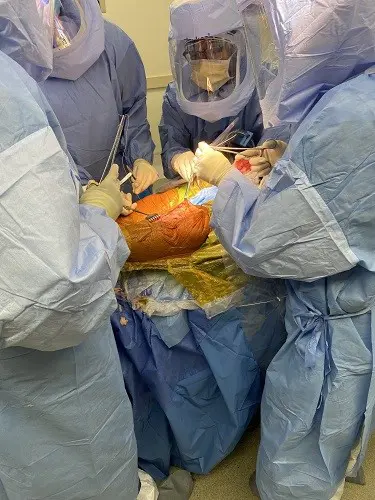
Intraoperative image showing closure of a total knee replacement.
Classification
The causes of pain after knee replacement can be classified into several categories:
- Surgical issues: Improper placement of the implant, malalignment, or prosthetic failure.
- Fractures: Periprosthetic fractures of the femur, tibia, or patella.
- Instability: Pain due to knee instability or loosening of the implant.
- Infection: Pain associated with redness, swelling, and fever, indicating infection.
- Psychological factors: Pain perception influenced by anxiety or depression.
Other Problems That Can Feel Similar (Differential Diagnosis)
Other conditions that may cause similar symptoms include patellar dislocation, complex regional pain syndrome, or issues with the surrounding joints such as the hip or lower back. A comprehensive evaluation is needed to differentiate between these conditions.
Treatment Options
Non-Surgical Care
For most patients, pain management includes medications like nonsteroidal anti-inflammatory drugs (NSAIDs) or short-term opioid painkillers. Physical therapy plays a critical role in managing pain by strengthening the muscles around the knee and improving flexibility. Ice packs and elevation can help manage swelling during the early recovery phase.
Surgical Care
In cases of severe pain or complications like loosening or instability of the prosthetic joint, revision surgery may be required. This may involve replacing the prosthetic components, repairing fractures, or addressing issues like patellar dislocation or instability. More invasive surgeries, like joint revision or osteotomy, may be necessary for cases with bone fractures or complex issues.
Recovery and What to Expect After Treatment
The recovery process from knee replacement surgery varies depending on the type and extent of treatment required. Generally, it involves a combination of rest, pain management, and physical therapy. Patients are advised to gradually return to activity, starting with low-impact exercises, and should follow their surgeon’s recommendations to avoid complications.
Managing Pain Post-Surgery
Early Intervention and Assessment: The STAR care pathway, implemented in some healthcare settings, provides a structured approach to identify and manage pain early. It includes detailed assessments and follow-ups, which can lead to better pain management outcomes compared to standard care
Physical Therapy and Exercises: Engaging in prescribed exercises under the guidance of a physical therapist is crucial. These exercises help strengthen the muscles around the new joint and improve flexibility and overall function
Pain Medication and Treatments: For managing severe pain, various medications, including nonsteroidal anti-inflammatory drugs (NSAIDs), opioids, and nerve pain medications like antidepressants and anticonvulsants, are often prescribed. The use of topical treatments such as lidocaine or capsaicin patches can also provide relief from nerve pain
Innovative Techniques: New methods such as infusing morphine directly into the shin bone during surgery have shown promising results in reducing the need for postoperative pain medications and improving pain management
Possible Risks or Side Effects (Complications)
Some of the potential risks of knee replacement surgery include infection, blood clots, nerve damage, or further misalignment of the prosthetic joint. In rare cases, patients may experience complications such as complex regional pain syndrome or issues with the extensor mechanism, leading to weakness in the knee.
Long-Term Outlook (Prognosis)
For most patients, knee replacement surgery offers long-term pain relief and significant improvements in mobility. However, some patients may continue to experience pain due to complications like prosthetic loosening or instability. Regular follow-up appointments are crucial to monitor the success of the surgery and address any emerging issues.
Out-of-Pocket Costs
Medicare
CPT Code 27487 – Revision Total Knee Replacement (Femoral + Tibial Components): $413.16
CPT Code 27506 – ORIF Periprosthetic Fracture (Femur): $316.79
CPT Code 27507 – ORIF Periprosthetic Fracture (Tibia): $229.27
CPT Code 27511 – ORIF Periprosthetic Fracture (Femur with Plate and Screws): $235.04
CPT Code 27513 – ORIF Periprosthetic Fracture (Tibia with Plate and Screws): $290.88
Under Medicare, 80% of the approved amount for these procedures is covered once the annual deductible has been met. The remaining 20% is typically the patient’s responsibility. Supplemental insurance plans—such as Medigap, AARP, or Blue Cross Blue Shield—generally cover this 20%, meaning most patients will have little to no out-of-pocket expenses for Medicare-approved knee surgeries and fracture fixation procedures. These supplemental plans work directly with Medicare to ensure full coverage for the procedures.
If you have secondary insurance—such as Employer-Based coverage, TRICARE, or Veterans Health Administration (VHA)—it functions as a secondary payer once Medicare processes the claim. After your deductible is satisfied, these secondary plans may cover any remaining balance, including coinsurance or small residual charges. Secondary plans typically have a modest deductible, ranging from $100 to $300, depending on the specific policy and network status.
Workers’ Compensation
If your knee surgery or periprosthetic fracture fixation is work-related, Workers’ Compensation will fully cover all treatment-related costs, including surgery, hospitalization, and rehabilitation. You will have no out-of-pocket expenses under an accepted Workers’ Compensation claim.
No-Fault Insurance
If your knee surgery or periprosthetic fracture fixation is the result of a motor vehicle accident, No-Fault Insurance will cover all medical and surgical expenses, including knee replacement revision and fracture fixation. The only possible out-of-pocket cost may be a small deductible depending on your individual policy terms.
Example
Linda, a 62-year-old patient with a failed knee replacement, underwent revision total knee replacement (CPT 27487) and also needed ORIF for a femoral fracture (CPT 27506) due to the periprosthetic injury. Her estimated Medicare out-of-pocket costs were $413.16 for the knee revision and $316.79 for the femoral fracture fixation. Since Linda had supplemental insurance through AARP Medigap, the 20% that Medicare did not cover was fully paid, leaving her with no out-of-pocket expenses for the procedures.
Frequently Asked Questions (FAQ)
Q. What causes pain after knee replacement surgery?
A. Pain after knee replacement can result from a variety of factors, including inflammation, improper implant placement, fractures, infection, or instability of the knee joint.
Q. How long does pain last after knee replacement surgery?
A. Mild pain is common in the first few weeks post-surgery and generally subsides with rest, medications, and physical therapy. However, persistent or severe pain after this period should be evaluated by a healthcare provider.
Q. Can pain after knee replacement be treated without surgery?
A. Yes, many patients can manage pain through physical therapy, medications, and lifestyle modifications. Surgery may be required if complications like implant loosening or instability occur.
Q. What is the recovery time after knee replacement surgery?
A. Recovery time varies, but most patients can return to normal activities within 6 to 12 weeks, with full recovery potentially taking up to a year, depending on individual factors and the success of physical therapy.
Q. How can I prevent complications after knee replacement surgery?
A. Preventive measures include following your surgeon’s post-operative care instructions, attending physical therapy sessions, managing your weight, and avoiding activities that put undue stress on the knee.
Summary and Takeaway
Knee replacement surgery is highly effective for relieving pain and improving mobility in patients with knee arthritis. However, some patients may continue to experience pain due to complications like implant loosening, instability, or infection. It’s essential to work closely with your orthopedic surgeon to identify the cause of persistent pain and pursue the appropriate treatment to ensure long-term success and mobility.
Clinical Insight & Recent Findings
A recent study examined the relationship between postoperative physical therapy (PT) and recovery following knee replacement surgery. The study found that patients who experienced slower recovery after total knee arthroplasty (TKA) were more likely to receive extended periods of PT, particularly in the first six months post-surgery.
The research highlighted that comorbidities such as musculoskeletal and non-musculoskeletal conditions significantly influenced the duration of PT, with patients having more comorbidities showing a lower association between recovery and longer PT usage.
These findings suggest that PT duration is often tailored to the individual patient’s recovery needs, particularly in those with complex health profiles. (“Study on Postoperative PT and Recovery in Knee Replacement – see PubMed”)
Who Performs This Treatment? (Specialists and Team Involved)
Orthopedic surgeons specializing in joint replacement surgery perform knee replacement procedures. The recovery process often involves physical therapists, pain management specialists, and nursing staff to ensure comprehensive care.
When to See a Specialist?
If you experience persistent or worsening pain after knee replacement surgery, or if you notice signs of infection such as redness, swelling, or fever, it’s crucial to consult your orthopedic surgeon for further evaluation and management.
When to Go to the Emergency Room?
Go to the emergency room if you experience severe knee pain, swelling, fever, or signs of infection after knee replacement surgery, as these symptoms may indicate a serious complication requiring immediate intervention.
What Recovery Really Looks Like?
Recovery from knee replacement surgery involves pain management, physical therapy, and gradual return to normal activities. Most patients experience significant improvement in pain and mobility within a few months, although full recovery may take up to a year.
What Happens If You Ignore It?
Ignoring persistent pain or complications after knee replacement surgery can lead to further damage to the knee joint, delayed recovery, and possibly the need for revision surgery. Prompt treatment is essential to ensure the best outcome.
How to Prevent It?
While not all post-operative pain can be prevented, following your surgeon’s instructions, maintaining a healthy weight, and engaging in regular physical therapy can help ensure optimal recovery and reduce the risk of complications after knee replacement surgery.
Nutrition and Bone or Joint Health
A balanced diet rich in nutrients like calcium and vitamin D supports bone health and can aid in recovery after knee replacement surgery. Proper nutrition is essential for healing and maintaining healthy joints.
Activity and Lifestyle Modifications
Engaging in low-impact activities such as swimming or cycling can help maintain cardiovascular health without putting excessive strain on the knee. Avoiding high-impact activities and following your surgeon’s guidelines for activity level during recovery can help prevent complications and ensure long-term success.
Do you have more questions?
How long is pain normal after knee replacement?
It is normal to experience pain for several weeks post-surgery. However, the intensity should decrease gradually as you recover.
What is the STAR care pathway mentioned?
The STAR care pathway is a structured program designed to manage post-operative pain through early assessment, personalized treatment plans, and regular follow-up.
Can exercises increase my pain after knee surgery?
Initially, exercises might cause some discomfort, but they are crucial for recovery and will eventually help reduce pain by strengthening muscles and improving joint function.
Are there any new treatments to manage pain after knee replacement?
Recent innovations include the infusion of pain-relieving medications directly into the bone during surgery to better manage postoperative pain.
What medications are typically prescribed for pain management after this surgery?
NSAIDs, opioids, and sometimes medications for nerve pain like antidepressants or anticonvulsants are used depending on the nature and severity of the pain.
Is it normal to have swelling after knee replacement surgery?
Yes, swelling is a common response to surgery and can contribute to pain. Managing swelling through elevation and ice can help reduce pain.
What should I do if my pain doesn’t decrease after several months?
If pain persists, it’s important to consult with your surgeon. Additional investigations may be needed to rule out issues like implant problems or infection.
How effective are physical therapy and exercises in reducing pain after knee replacement?
Very effective. Regularly performing prescribed exercises improves flexibility, strength, and overall joint function, which can significantly reduce pain.
Can diet affect recovery and pain after knee surgery?
Yes, a balanced diet rich in vitamins and minerals can aid in healing and potentially reduce inflammation, impacting pain levels positively.
What are signs that my knee pain might be due to an infection?
Signs of infection include excessive redness, swelling, warmth around the joint, fever, and increased pain that doesn’t improve with time.
Why might I feel pain in other parts of my body after knee surgery?
Compensatory movements to avoid stress on the operated knee can lead to pain in areas like the back, hip, or the other knee.
Is nerve pain common after knee replacement, and how can it be treated?
Nerve pain is a possible complication and can be treated with medications, physical therapy, and sometimes interventions like nerve blocks.
How can I tell if my knee pain is from the surgery or something else?
It’s important to evaluate the nature of the pain and its location. Persistent or worsening pain should be assessed by a healthcare provider.
What role does mental health play in recovery and pain perception after surgery?
Mental health significantly affects pain perception. Stress, anxiety, and depression can heighten the sensation of pain, making management more challenging.
Are there alternative therapies for managing pain after knee replacement?
Yes, therapies like acupuncture, massage, and mindfulness can complement traditional pain management strategies.
What is the risk of chronic pain after knee replacement surgery?
While most people experience significant pain relief after knee replacement, a small percentage may develop chronic pain, which requires specialized management.
Can weather affect knee pain after surgery?
Some patients report increased pain with changes in weather, likely due to changes in barometric pressure affecting joint pressure.
What is multimodal pain management for knee replacement?
This approach uses various types of pain relief techniques and medications simultaneously to address different aspects of pain, enhancing overall effectiveness.
Can obesity affect pain levels after knee replacement?
Yes, being overweight or obese can increase the stress on the knee joint, potentially leading to increased pain and slower recovery. Managing weight through diet and exercise is crucial both before and after surgery.
How can I manage my expectations regarding pain after knee replacement?
It’s important to have realistic expectations. Most people experience a significant reduction in pain after recovery, but it’s normal to have some discomfort as you start to increase activity levels. Communication with your healthcare team can help set appropriate expectations.
Is there a genetic component to how I might experience pain after knee replacement?
Some research suggests that genetic factors can influence pain sensitivity and the effectiveness of pain medications. Discussing your family medical history with your healthcare provider can help tailor your pain management plan.
What should I avoid doing after knee replacement surgery to prevent pain?
Avoid high-impact activities, excessive bending, and lifting heavy weights soon after surgery